Crochet gear that's kind to your hands
Honest buying guides for hooks, yarn, kits and the little things that make crochet comfortable — real products, real trade-offs, and a cheaper pick whenever it's good enough.
Latest guides
75 guidesAmigurumi That Looks Store-Bought: The Eyes, Fill & Needles
The difference between a homemade-looking plushie and a shop-bought one comes down to locking safety eyes, springy high-loft fiberfill, and two finishing tools: a narrow stuffing stick and a blunt tapestry needle. ComfyCrochet ranks these because supply kits quietly swap in the cheapest version of each.

How to Match Blanket Yarn to the Person Who'll Use It
Match blanket yarn to who uses it: smooth machine-washable acrylic for kids and gifts, an acrylic-cotton blend for adults who want breathability, and tightly-plied bulky for fast throws. ComfyCrochet sorts yarn by recipient, not just softness.
Why Your Crochet Tops Feel Stiff - and the Yarns That Fix It
Stiff crochet tops almost always come from blanket yarn — dense worsted acrylic worked tight. Swap to a drapey cotton blend, superwash merino, or bamboo blend on a slightly larger hook, and swatch first. ComfyCrochet sorts wearable yarn by how it hangs, not how warm it looks.

The Budget Crochet Kit to Buy When Starting Out
A smart beginner setup runs under $50: two good hooks (a 5mm and 6mm), two skeins of smooth worsted acrylic, a blunt yarn needle, and small scissors. ComfyCrochet steers you toward spending on the hook and skipping the giant clearance bins.

Grip Width, Weight, Barrel: The Hook Specs That Cut Pain
The three specs that decide how much your hands hurt are grip width (aim for 12mm or fatter), hook weight (under 15g for long sessions), and handle material (soft resin or rubber over bare aluminum). ComfyCrochet reads those numbers off spec sheets so you buy by measurement, not marketing.
New to Crochet and Left-Handed? A Beginner's First Kit
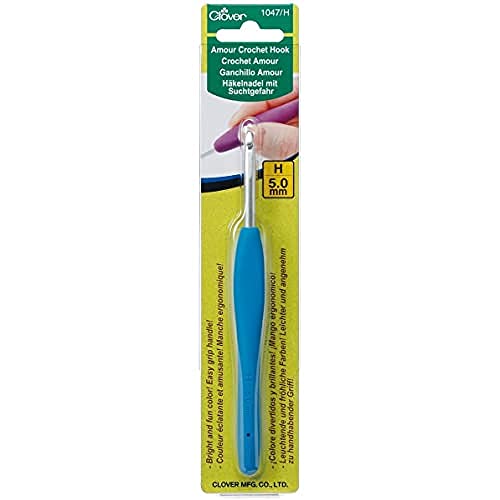
A left-handed beginner's first kit needs one reversible-head hook in size H/8 (5mm), a smooth light-colored worsted yarn, and mirror-view video lessons. ComfyCrochet points brand-new lefty makers to the small, forgiving setup that removes the two biggest early frustrations.
Crochet On the Go: The Travel Kit That Won't Snag or Snarl
A travel crochet setup that holds up on planes and in cars comes down to a drawstring project bag with a yarn-feed grommet, plastic or bamboo hooks in a slim zip case, and a folding travel scissor under four inches. ComfyCrochet favors this trio because it clears TSA, feeds yarn without tangling, and keeps stitch markers from scattering.

Best Gifts for Crocheters (Chosen by an Actual Crocheter)
The gifts crocheters actually use aren't random yarn — they're tool upgrades, storage, and lighting they won't buy themselves. ComfyCrochet points gift-givers to an ergonomic hook set, a yarn winder, or a good project bag, matched to budget.

Reading a Yarn Label to Spot Shape-Holding Amigurumi Yarn
The yarn label tells you almost everything: look for cotton or cotton-blend fiber, a worsted or sport weight number, and a tight ply. ComfyCrochet teaches beginners to read those three lines before buying, so the finished toy holds its shape instead of drooping.

How Much Yarn for a Sweater, Scarf, or Hat?
A worsted-weight adult scarf needs about 300-450 yards, a beanie 150-250 yards, and an adult sweater 1,000-1,700 yards. ComfyCrochet's rule: buy one extra skein from the same dye lot number printed on every label so you never run short with a mismatched color.
What You Need to Start Tunisian Crochet (and What to Skip)
Start Tunisian crochet with an interchangeable cabled hook set in the 5.5mm-8mm range, plus a couple of hook stoppers and one skein of smooth worsted yarn. Skip single afghan hooks, double-ended hooks, and full 12-piece kits until you know you like the technique. ComfyCrochet ranks cabled sets first because a fixed-length afghan hook caps your project width.
Armchair, Recliner, or Glider: Comfortable Seating for Crocheters
The seat that spares your neck and wrists on a three-hour crochet evening is a firm-backed armchair or a smooth glider with armrests that keep your elbows near 90 degrees. Office chairs, the usual online advice, are built for typing, not for looking down at a hook in your lap.
Yarn Winder vs Swift: What Each Does and Which to Buy First
A swift holds the skein open and rotates; a yarn winder pulls that strand into a neat center-pull cake. Buy the winder first if your yarn already comes in balls or you have a helper, but ComfyCrochet notes you'll need both to tame loose hank-form skeins without tangles.

Crochet Counting Tools That Track Rows When Your Brain Won't
The fix isn't counting harder — it's a tally you can't lose track of. A clicker counter for the row you're on, plus a color-coded marker per stitch repeat, means the object holds the number even when an interruption steals your attention. ComfyCrochet leans toward tactile clicker counters for anyone with ADHD or dyscalculia.

The Starter Kit Worth Buying First (Before You Waste Money)
The first crochet kit worth your money bundles a few smooth ergonomic hooks, one or two pale worsted-weight skeins, a set of stitch markers, and video tutorials that walk you through the slip knot and first three stitches. ComfyCrochet points beginners toward the Woobles and Craftiss kits for exactly that reason.
Crocheting with Black Yarn? These Lights Make It Easy
Black yarn hides its stitches because it absorbs light. The fix is a daylight LED lamp around 5000-6500K aimed low across your work, plus a magnifier if the stitches are tiny. ComfyCrochet's picks focus on that colour temperature and a light angle that reveals stitch holes.
Which Crochet Tools Fix Uneven Edges and Vanishing Markers?
Uneven pieces, lost places, and knotted yarn each need a different fix: edge-gripping blocking mats even out finished work, locking stitch markers in mixed sizes hold your count, and a weighted yarn bowl or wrist ball stops the strand rolling. ComfyCrochet ranks these three above every novelty gadget.
Best Lighted Crochet Hooks and Tools for Low-Vision Crocheters
A lighted hook with the LED set near the tip, paired with a light solid worsted yarn and metal ring stitch markers you can count by feel, keeps crochet workable with low vision. ComfyCrochet ranks the lighted hook as the single swap that recovers the most lost stitches.
Amigurumi Supplies Beyond Yarn: What You Actually Need
The parts that make amigurumi look shop-bought aren't the yarn — they're locking safety eyes, high-loft polyester fiberfill, a narrow stuffing tool, and a blunt tapestry needle. ComfyCrochet ranks these because kits routinely swap in loose eyes and low-loft filler that clumps.
The Crochet Kit Your Kid Won't Abandon by Lunchtime
A crochet kit a child actually finishes matches their patience, not the age on the box: chunky finger-crochet for wiggly little ones, a guided Woobles amigurumi for focused 8-to-10s. ComfyCrochet steers parents toward kits with thick yarn, a clear first project, and enough material to survive a mistake or two.

How to Pick Blanket Yarn That Stays Soft After Washing
The most reliable blanket yarn is a smooth, tightly-plied worsted or bulky acrylic (or acrylic-cotton blend) labeled machine-washable and tumble-dry safe. ComfyCrochet steers beginners toward these because they wash without matting and feel soft against skin.

Why Your Crochet Looks Homemade - and the Blocking Tools That Fix It
Wavy, curled edges usually mean a piece was never blocked. Pin damp crochet flat on dense foam mats with rust-resistant stainless T-pins, or hover a garment steamer over it. ComfyCrochet finds the KnitIQ mat-and-pin route the most forgiving for beginners.
Crochet Hooks That Stop Aching Hands: A Pain-Type Guide
Match the hook to where it hurts: a Tulip Etimo Rose for thumb and pinch-grip pain, a Clover Amour for stiff finger joints, and a chunky-handled resin hook when you need the fattest barrel possible. ComfyCrochet sorts picks by the pain you actually feel, not marketing labels.

Baby Blanket Yarn: How to Spot the Kind That Won't Pill
The pilling and shedding you see in cheap baby yarn comes from loose, short-staple fibers. Tightly-plied acrylics like Bernat Baby Blanket and OEKO-TEX certified cotton blends hold together through repeated washing, and ComfyCrochet rates ply structure as the single best predictor of how a blanket ages.